
When I first started researching garage doors for my home, I was overwhelmed by the sheer number of choices. Garage doors aren’t just functional—they’re a key part of a home’s exterior and can significantly impact its curb appeal. Whether you’re building a new home or upgrading an old garage, choosing the right type of garage door is essential. After diving into the details, I discovered there are six main types of garage doors, each with its own unique features, pros, and cons.
In this article, I’ll walk you through these six types of garage doors, share my personal observations, and help you decide which one might be the best fit for your home.
1. Sectional Garage Door
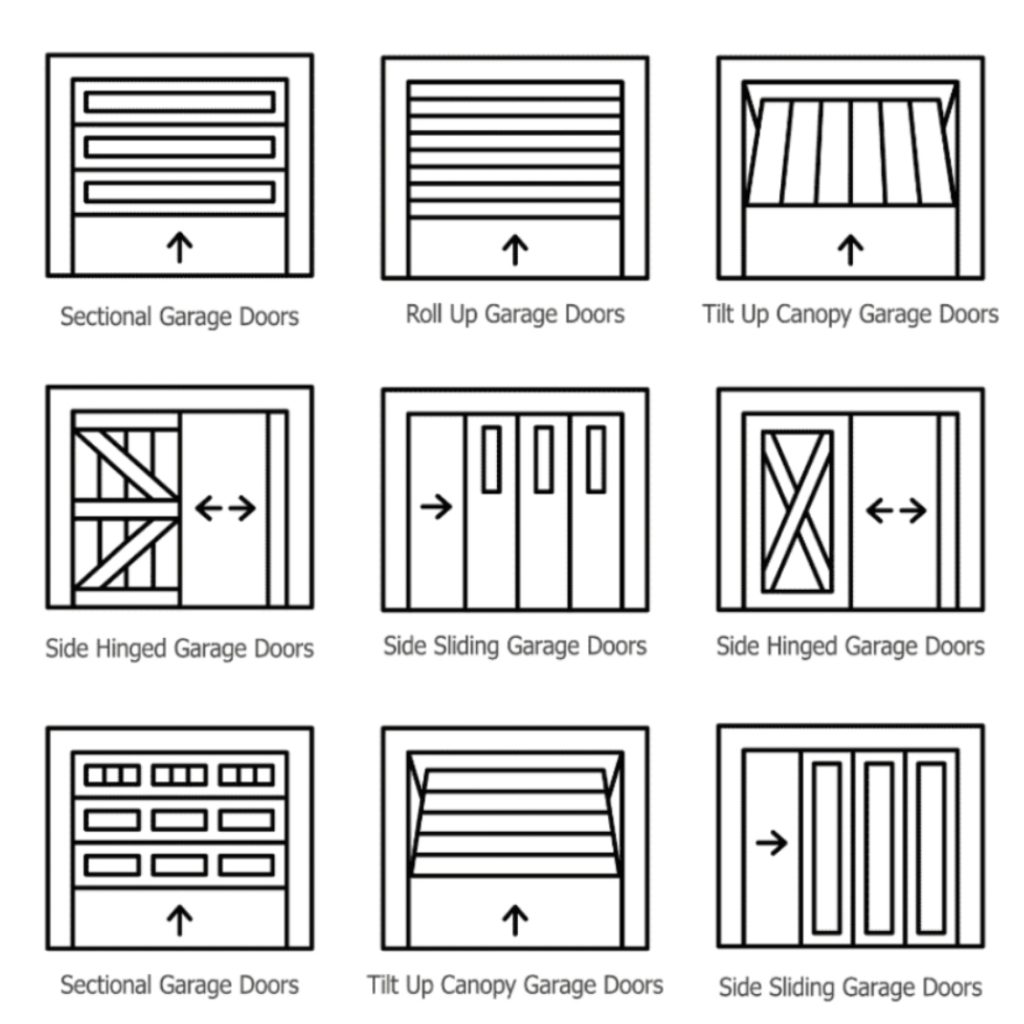
The sectional garage door is by far the most common and widely available type. It’s made up of four or five horizontal panels connected by hinges. When opened, the door slides upward along a curved track and rests parallel to the garage ceiling. This design is practical, space-efficient, and works well for most homes.
How It Works
A torsion spring above the door helps lift its heavy weight, as sectional garage doors are often quite heavy. Without this spring, the garage door opener wouldn’t be able to handle the load.
Pros
- Lower Cost: These doors are generally more affordable compared to other types.
- Wide Availability: Most home improvement stores carry sectional doors in various styles.
- Secure: The overlapping panels make it difficult to break into.
Cons
- Frequent Maintenance: With many moving parts—rollers, hinges, and the torsion spring—sectional doors require regular maintenance.
- Difficult Manual Operation: Without the garage door opener, lifting a sectional door can be challenging.
- Complicated Installation: Professional installation is often necessary due to the complex mechanism.
My Take: I love how practical sectional garage doors are. They’re a great choice if you’re on a budget and want something reliable. However, I’ve found the maintenance can be a bit of a hassle if you’re not prepared to clean and lubricate the moving parts regularly.
2. Tilt-Up or Canopy Garage Door
Tilt-up or canopy garage doors are a throwback to the early 20th century. These doors consist of a single solid panel that tilts upward to open. They’re often made of wood or metal and have a vintage appeal.
How It Works
The door is hinged at its midpoint, making it easy to lift manually. However, these doors require significant clearance both inside the garage and in the driveway.
Pros
- Simplicity: Fewer moving parts mean easier maintenance.
- Vintage Look: These doors add a classic charm to homes.
- Easy to Repair: Since it’s a single panel, repairs are straightforward.
Cons
- Driveway Clearance Needed: The door requires 3–4 feet of space to tilt up.
- Less Secure: It’s easier for intruders to force open from the bottom.
- Interior Space Limitations: Some of the garage’s ceiling space is lost.
My Take: I adore the vintage aesthetic of tilt-up garage doors, especially on older homes. But the lack of security and the space they require make them less practical for modern living, especially if you have a short driveway.
3. Rollup Garage Door
Rollup garage doors are most commonly used in commercial settings, but they’re gaining popularity in residential garages. These doors are made of a single sheet of flexible steel that rolls into a cylinder above the garage opening when the door is open.
How It Works
The door operates on a spring-loaded shaft that curls the steel sheet into a compact roll, saving ceiling space.
Pros
- Space-Efficient: Doesn’t take up any ceiling or driveway space.
- Durable: Built to withstand heavy use and extreme weather.
- Secure: Very difficult to break into.
Cons
- Difficult to Customize: Limited design options and rarely include windows.
- Professional Installation Needed: Installing a rollup door is complex and requires specialized tools.
- Industrial Appearance: Some rollup doors look too plain for residential use.
My Take: Rollup garage doors are incredibly practical if you’re looking for durability and security, but their industrial look might not suit every home. I’d recommend them for someone who values function over style.
4. Hinged Garage Door
Hinged garage doors, also known as side-hinged or carriage doors, are a classic option. These doors swing outward, much like barn doors, and are typically made of wood or wood-look materials.
How It Works
Hinges on either side of the garage door allow the two panels to swing out. Since there’s no ceiling track, the inside of the garage is left completely clear.
Pros
- Keeps Garage Clear: No ceiling tracks mean more storage space inside.
- Customizable: Hinged doors offer endless options for handles, locks, and finishes.
- Easy to Repair: Individual panels can be repaired or replaced as needed.
Cons
- Driveway Clearance Needed: You’ll need at least 5 feet of clearance for the doors to swing open.
- Repainting Required: Wooden doors need regular upkeep to maintain their appearance.
- Expensive Opener: Automatic openers for hinged doors are pricey.
My Take: These doors look amazing on farmhouse-style homes or anything with a rustic design. However, if you have a short driveway, they can be inconvenient.
5. Retractable Tilt-Up Garage Door
A retractable tilt-up garage door is similar to the standard tilt-up model but with one major difference: it retracts fully into the garage on tracks, leaving no part of the door protruding outside.
How It Works
The door tilts upward and slides back along horizontal tracks installed inside the garage.
Pros
- No Protrusion: The door doesn’t extend into the driveway.
- Good for Small Spaces: Works well in tight driveways.
- Secure: The design makes it difficult to force open.
Cons
- Requires a High Ceiling: You’ll need extra vertical space inside the garage.
- Expensive: Both the door itself and installation costs are higher.
- Professional Installation: The complex mechanism demands expert installation.
My Take: I think retractable tilt-up doors are a great compromise between modern convenience and vintage aesthetics. However, the high price might make them a stretch for some budgets.
6. Side-Sliding Garage Door
Side-sliding garage doors are a unique option. Instead of opening upward, the door slides horizontally along a track and wraps around the inside wall of the garage.
How It Works
The door operates like a curtain, sliding along a top-mounted track and anchored by a second track on the floor.
Pros
- Ceiling Space Left Free: Ideal for garages with storage racks or other overhead installations.
- Open One Side: You can partially open the door for quick access.
- No Spring Mechanism: Eliminates the need for torsion springs, which can be high-maintenance.
Cons
- Loss of Wall Space: One garage wall is completely blocked by the door.
- Expensive: Both the door and installation are costly.
- Specialized Installation: Requires a professional with expertise in this type of door.
My Take: Side-sliding doors are perfect if you need ceiling storage, but the loss of wall space might be a dealbreaker for some. I like how easy they are to operate, especially if you only need to open part of the door.
Choosing the Right Garage Door for Your Home
Ultimately, the best garage door for your home depends on your budget, style preferences, and functional needs. Here’s a quick comparison to help you decide:
| Garage Door Type | Best For | Key Drawback |
|---|---|---|
| Sectional Garage Door | Budget-friendly, reliable homes | High maintenance requirements |
| Tilt-Up Garage Door | Vintage charm | Requires driveway clearance |
| Rollup Garage Door | Durability and security | Limited customization |
| Hinged Garage Door | Rustic or farmhouse-style homes | Expensive automatic opener |
| Retractable Tilt-Up Garage Door | Compact driveways | High cost |
| Side-Sliding Garage Door | Overhead storage needs | Loses wall space |
Conclusion
After exploring all six types of garage doors, I’ve realized that each one has its strengths and weaknesses. For me, the sectional garage door was the perfect choice—it’s practical, affordable, and widely available. However, if I were going for a more unique or vintage look, I’d seriously consider a hinged or tilt-up door.
No matter which type you choose, make sure it fits your home’s style, meets your functional needs, and stays within your budget. A well-chosen garage door won’t just protect your home—it will also elevate its overall appearance and value.


