
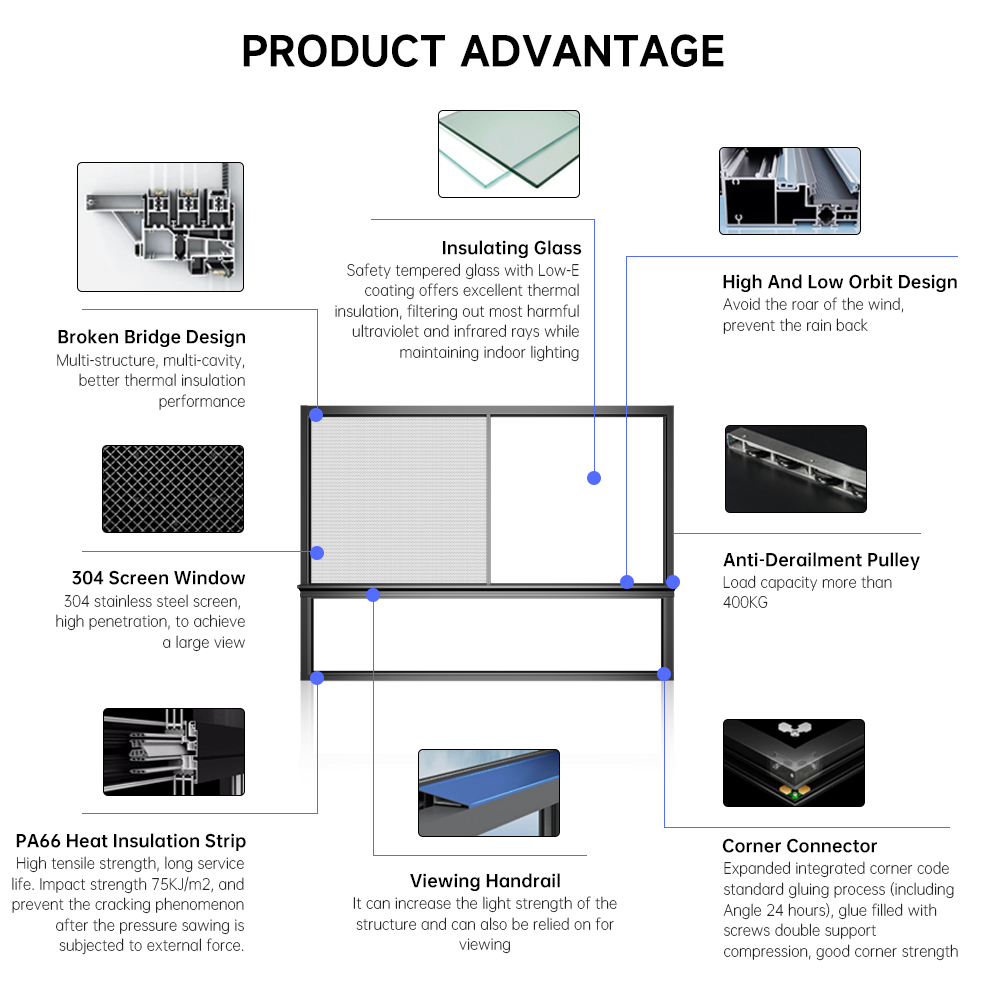
When I started exploring window options for my home and office, I thought commercial and residential windows were pretty much the same. After all, they both serve the same basic purpose—letting in light, keeping out the elements, and adding to the overall aesthetic. But as I dug deeper, I realized there are some major differences between the two types of windows. These differences go beyond just looks; they affect durability, performance, cost, and even how the windows fit into their environment.
Let me break it down for you in a way that’s easy to follow. Whether you’re designing a sleek commercial space or a cozy home, understanding the differences between commercial and residential windows can help you make the best choice.
1. Design Differences
The first thing I noticed was how differently commercial and residential windows are designed to function in their respective spaces.
| Feature | Commercial Windows | Residential Windows |
|---|---|---|
| Purpose | Built for large-scale buildings like offices, schools, and retail spaces. | Designed for homes to balance style, comfort, and energy efficiency. |
| Size | Larger glass surfaces to maximize natural light in big spaces. | Smaller glass surfaces, often with more paneling for privacy. |
| Reinforcement | Heavy-duty framing and reinforced glazing to handle high wind loads and structural pressure. | Lighter frames and thinner glass, as homes don’t face extreme stress. |
My Take: I love how commercial windows feel grand and open in large spaces, like offices and malls. But for my home, I wanted something more personal and cozy. Residential windows, with their smaller sizes and decorative elements, felt like the right choice.
2. Materials: Aluminum vs. Vinyl
The materials used for commercial and residential windows play a huge role in their performance and durability.
| Category | Commercial Windows | Residential Windows |
|---|---|---|
| Material | Mostly aluminum for its durability and ability to hold large glass panes. | Vinyl or wood for better insulation and aesthetic versatility. |
| Heat Resistance | Aluminum doesn’t retain heat, making it ideal for buildings that generate a lot of heat. | Vinyl frames are well-insulated, reducing energy costs in homes. |
| Maintenance | Low-maintenance material that resists rust and corrosion. | Vinyl requires minimal upkeep; wood needs regular maintenance but adds warmth. |
My Take: For offices or commercial spaces, aluminum is the clear winner—it’s strong, low-maintenance, and sleek. But for my home, vinyl was the better choice. It’s energy-efficient, affordable, and comes in a variety of finishes to match any interior style. Plus, I love the warmth that wooden frames bring to living spaces.
3. Durability and Performance
Durability is where the differences between commercial and residential windows become most apparent. Commercial buildings face more extreme conditions than homes, so their windows are built to endure.
| Feature | Commercial Windows | Residential Windows |
|---|---|---|
| Durability | Built to withstand high wind pressures, structural loads, and heavy use. | Durable enough for typical weather conditions, but not extreme environments. |
| Lifespan | Can last decades with minimal replacement needs. | Easier to replace; typically last 15–20 years depending on materials. |
| Resistance | Designed to handle wear and tear from high foot traffic and environmental exposure. | Focused on protecting against normal weather and home-specific needs. |
My Take: When I see commercial windows in skyscrapers or large office buildings, I can’t help but admire their strength. They’re built to last, and it shows. But for a home, I appreciate the balance of durability and ease of replacement that residential windows offer. They’re strong enough for everyday use without feeling overbuilt.
4. Appearance and Style
While functionality is important, let’s not forget about aesthetics. The way a window looks can change the entire vibe of a space.
| Feature | Commercial Windows | Residential Windows |
|---|---|---|
| Glass Area | Larger glass surfaces with minimal framing to let in maximum light. | Smaller glass areas with more paneling for privacy and decoration. |
| Style | Simple, clean designs focused on functionality over decoration. | Wide variety of architectural styles, such as bay or casement windows. |
| Customization | Limited customization options; typically uniform and professional-looking. | Highly customizable with options for tints, shapes, and decorative elements. |
My Take: Commercial windows are all about simplicity and function, which works perfectly for offices and retail spaces. But for my home, I wanted something more creative. Residential windows allowed me to choose shapes, tints, and even decorative paneling to personalize my rooms.
5. Cost: Affordable vs. Investment
The cost of windows is always a factor, and here’s where the difference between commercial and residential windows becomes very obvious.
| Aspect | Commercial Windows | Residential Windows |
|---|---|---|
| Cost | Higher costs due to specialized materials, reinforced glass, and complex installation. | More affordable, made with cost-effective materials like vinyl. |
| Installation | Requires heavy machinery and more time to install, especially for high-rise buildings. | Quick and simple installation, often manageable for smaller projects. |
| Long-Term Value | Built to last for decades, reducing long-term replacement costs. | Affordable upfront, but may need replacement sooner. |
My Take: When I was budgeting for windows, residential options were much easier on the wallet. However, I understand why commercial windows cost more—they’re engineered for demanding environments. For my home, the lower cost of residential windows made them the obvious choice.
6. Energy Efficiency
Energy efficiency is a big deal, especially with rising energy costs. Here’s how commercial and residential windows compare:
| Category | Commercial Windows | Residential Windows |
|---|---|---|
| Efficiency | Designed to reduce cooling costs in large buildings by minimizing heat absorption. | Focused on keeping homes warm in winter and cool in summer. |
| Glazing | Often includes specialized coatings to reflect heat and reduce glare. | Double or triple glazing with Low-E coatings is common for insulation. |
| U-Factor | Higher U-factor to handle internal heat generation in commercial spaces. | Lower U-factor to improve home energy efficiency. |
My Take: For my home, energy efficiency was a top priority, and residential windows delivered. They’re designed to keep energy costs low, which is a huge win for homeowners. Commercial windows are impressive in their ability to manage heat in large spaces, but they weren’t what I needed for my cozy living room.
Conclusion: Which Is Right for You?
Choosing between commercial and residential windows depends entirely on your needs. If you’re designing a large office building or retail space, the durability, strength, and functionality of commercial windows are unbeatable. However, for homes, residential windows are the clear winner—they’re affordable, energy-efficient, and customizable to match your style.
For me, the decision was obvious. In my home, residential windows were the perfect choice. They gave me the energy savings, aesthetic flexibility, and affordability I needed. But when I look at commercial windows in office buildings, I can’t help but admire their strength and functionality. Each type of window serves its purpose beautifully, and understanding their differences made all the difference in choosing the right one for my space.


