
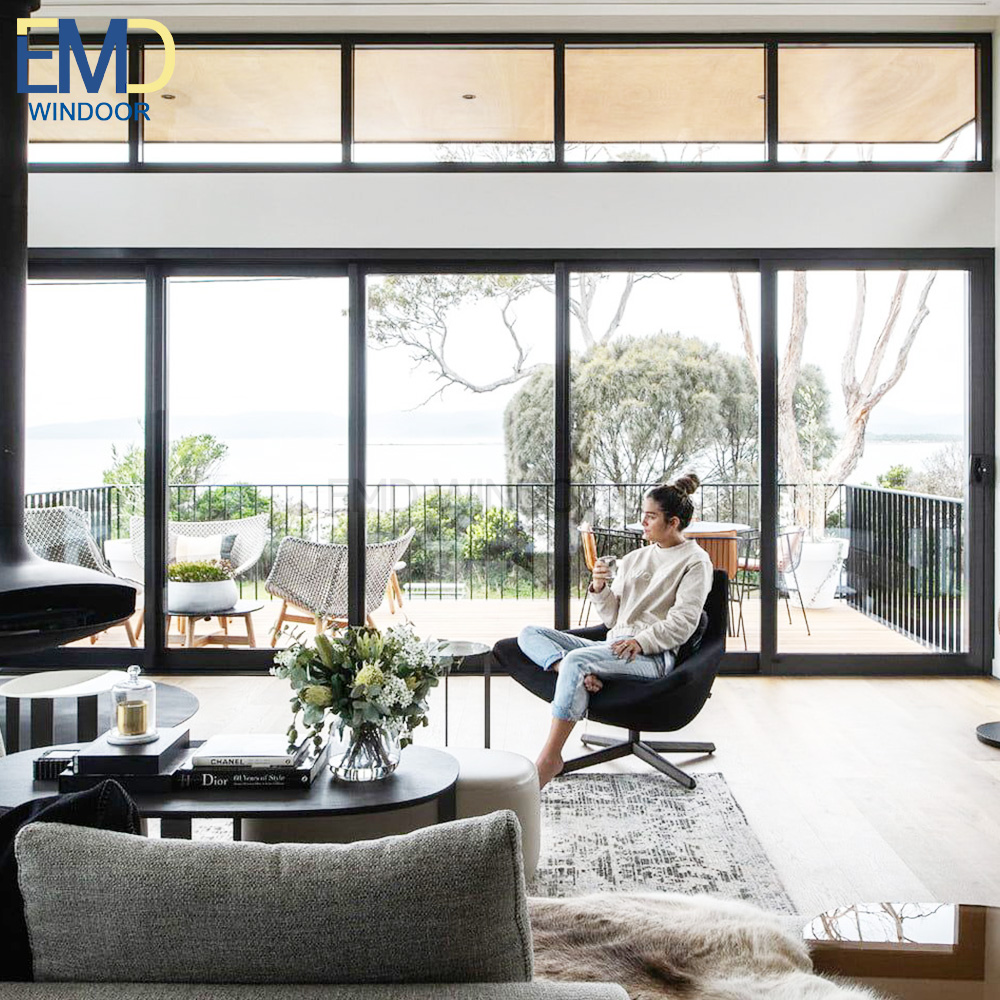
When I first started exploring the idea of sliding doors, I didn’t realize just how much they could transform the design and functionality of a space. Whether it’s for a home, office, café, or even an elevator, doors aren’t just functional barriers—they’re integral to both design and usability. Sliding doors, in particular, have taken the interior design world by storm for their convenience, sleek appearance, and ability to save space.
In this article, I’ll share what I’ve learned about sliding doors, the benefits they offer, the types available, and how to incorporate them into your interior design in a way that’s both practical and stylish.
What Are Sliding Doors and Why Are They Popular?
Sliding doors are exactly what they sound like—doors that slide horizontally along a track instead of swinging open on hinges. This simple mechanism opens up a whole range of possibilities for interior design, especially in areas where space is limited or where a modern, minimalist look is desired.
Key Benefits of Sliding Doors
Sliding doors aren’t just about aesthetics—they offer a host of practical advantages that make them a great choice for both residential and commercial spaces:
| Benefit | Why It Matters |
|---|---|
| Highly Convenient | Sliding doors are easy to operate and don’t require extra space to swing open. |
| More Natural Light | Many sliding doors have large glass panels, allowing ample sunlight to enter. |
| Structural Flexibility | They can be installed in small rooms, large openings, or even wall cavities. |
| Low Maintenance | High-quality sliding doors require minimal upkeep, thanks to durable materials. |
| Energy Efficient | Modern sliding doors come with excellent insulation, keeping energy costs lower. |
| Increased Safety | Many sliding doors, especially lift-and-slide models, seal tightly for security. |
| Space-Saving Design | Perfect for tight areas where traditional doors would take up too much room. |
For me, sliding doors were a no-brainer for my office and home. The way they optimize space and bring in light makes them feel like a modern upgrade to any room.
Types of Sliding Doors
When I first started researching sliding doors, I was amazed by how many different types there were. Each design has its own unique features and use cases, so choosing the right one depends on your space and needs.
1. Inline or Slimline Sliding Doors
This is the most common and affordable type of sliding door. Inline sliding doors have a fixed door frame made of materials like aluminum, UPVC, or timber, with a glass panel that smoothly glides along the track.
- Why I Like Them: The minimalistic design and compact size make them a great choice for small spaces, such as home offices or cafés.
- Best Use Case: Small offices, living rooms, or spaces where simplicity is key.
2. Lift-and-Slide Doors
Lift-and-slide doors operate using a unique mechanism involving rollers, tracks, and handles. By lifting slightly off the track, the door glides effortlessly and seals tightly when closed.
- Why They Stand Out: These doors are incredibly secure and energy-efficient, making them ideal for areas where insulation and safety are priorities.
- Best Use Case: Larger office spaces, meeting rooms, or homes in extreme climates where airtight sealing is essential.
3. Telescopic Automatic Sliding Doors
Telescopic sliding doors stack on top of each other, much like a telescope. These doors are often automated, opening and closing without requiring any additional space.
- Why They’re Perfect: They’re highly convenient and work well for large openings where traditional sliding doors might fall short.
- Best Use Case: Commercial spaces like shopping malls, hotels, or offices with wide entrances.
4. Pocket Sliding Doors
Pocket sliding doors are one of my personal favorites due to their sleek and space-saving design. These doors slide into a cavity within the wall, completely hiding the door when open.
- Why I Love Them: They add a clean, modern aesthetic and are perfect for spaces where every inch of room counts.
- Best Use Case: Bathrooms, bedrooms, or small apartments where minimizing visual clutter is a priority.
5. Sliding Patio Doors
Sliding patio doors are designed to maximize outdoor views and bring in as much natural light as possible. They usually consist of two large glass panels, one of which slides over the other.
- Why They’re Popular: They seamlessly connect indoor and outdoor spaces, making them perfect for decks, patios, or balconies.
- Best Use Case: Homes with outdoor areas or offices that want a refreshing view.
6. Bi-Folding Doors
Bi-folding doors are unique in that they fold back against themselves when opened, creating a wide and uninterrupted opening.
- Why They’re Practical: These doors are excellent for encouraging light flow and are cost-effective compared to large sliding systems.
- Best Use Case: Pool decks, balconies, or spaces where you want to create an “open-air” feel.
How to Make Sliding Door Design Reasonable
Designing with sliding doors isn’t just about picking the right type—it’s also about planning how they’ll fit into your space. Here are my tips for incorporating sliding doors into your home or office in a practical and stylish way:
1. Consider the Space
Think about the purpose of the sliding door in each room. For example:
- In a small office, slimline or pocket doors are ideal because they save space.
- For a living room with a beautiful outdoor view, sliding patio doors are a must.
2. Prioritize Natural Light
Sliding doors with glass panels allow light to flood into your space, making rooms feel larger and more inviting. If privacy is a concern, you can always opt for frosted or textured glass.
3. Choose the Right Material
| Material | Why It’s Great | Best Use |
|---|---|---|
| Aluminum | Lightweight, modern, rust-resistant. | Offices, commercial spaces. |
| Wood | Warm and traditional. | Homes, rustic or classic interiors. |
| Glass | Brightens spaces and adds elegance. | Offices, living rooms, patios. |
4. Don’t Overlook Hardware
The hardware—such as handles, locks, and tracks—can make or break the functionality and aesthetics of your sliding door. I recommend soft-close mechanisms for smooth, silent operation and high-quality rollers to prevent wear and tear.
5. Think About Privacy
If you’re using sliding doors in bedrooms or bathrooms, consider frosted or textured glass for additional privacy. For office spaces, clear or slightly tinted glass works best to maintain visibility while reducing distractions.
Conclusion
Sliding doors are one of the best investments you can make for your interior design. They’re functional, elegant, and incredibly versatile, offering benefits like space-saving design, increased natural light, and structural flexibility. Whether you’re designing a cozy home office or a modern café, there’s a sliding door type that’s perfect for your needs.
For me, incorporating sliding doors into my space was a game-changer. I chose pocket doors for my bathrooms, sliding patio doors for my balcony, and lift-and-slide doors for my office. Each one improved the functionality and aesthetics of the room in its own way.
If you’re considering sliding doors for your next project, I highly recommend working with professionals who understand your vision and can help you choose the right design. In my case, the results were well worth the investment! Sliding doors truly bring a modern and creative touch to any space.


