
Analyzing the Differences in Window and Door Imports to the Philippines
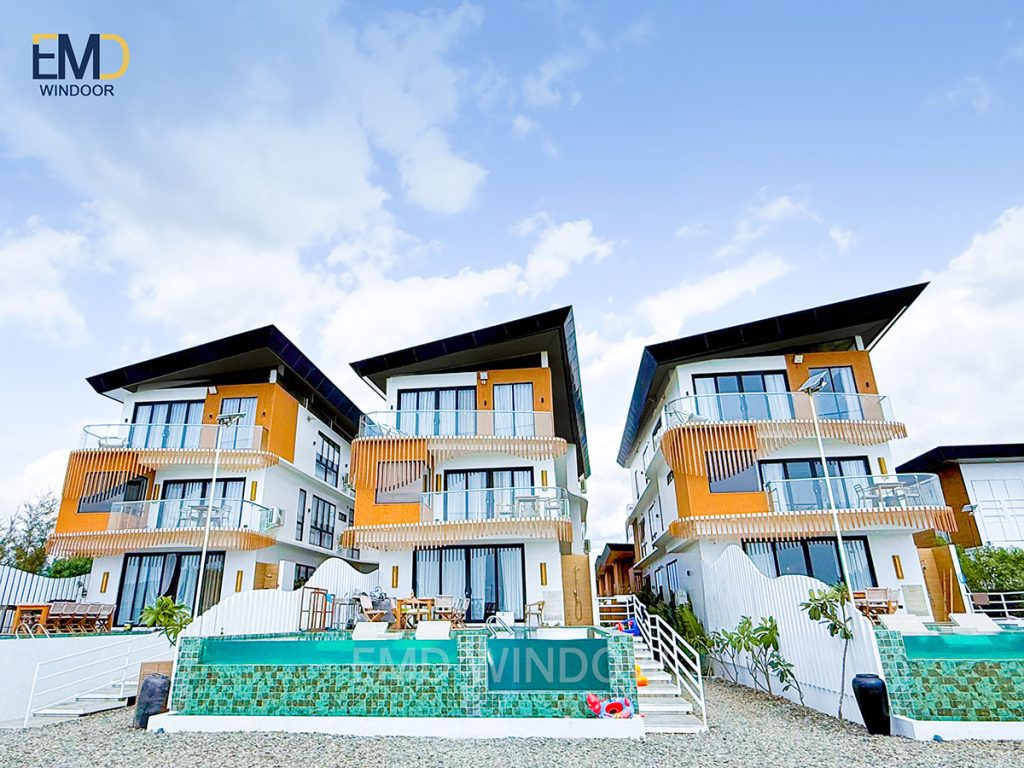
The choice of where to source windows and doors for construction projects in the Philippines is critical. With the local market often falling short of expectations in terms of quality, developers and homeowners are increasingly turning to imports. However, the decision to import from China, Europe, or other regions significantly impacts cost, quality, and long-term performance. In this article, I’ll analyze the differences between importing windows and doors from various countries, including the pros, cons, and suitability for the Philippine market.
Why Import Windows and Doors to the Philippines?
The Philippines faces distinct challenges when it comes to locally sourced windows and doors. Here are the most common issues:
| Issue | Details | My Perspective |
|---|---|---|
| Poor Sound Insulation | Most local windows use single-pane glass or plastic, barely blocking noise such as traffic, karaoke, or roosters. | Even high-end condos fail to deliver proper noise insulation, which is frustrating given their price points. |
| Lack of Thermal Efficiency | Windows lack insulation, causing air conditioning to work harder, leading to higher energy bills. | Proper insulation is vital in the tropical climate, especially with rising electricity costs. |
| Low-Quality Materials | Many windows are made of cheap plastic or aluminum, and double-glazed options are rare. | Developers prioritize cost savings, sacrificing long-term performance and durability. |
| Poor Installation | Gaps between frames and walls allow noise and cool air to escape, reducing the effectiveness of the windows. | Even high-quality products can fail if installation is sloppy. |
| Price vs. Performance | Expensive homes often have subpar windows, making homeowners feel like they’re not getting their money’s worth. | Paying a premium should guarantee premium quality, but this is rarely the case in the local market. |
Importing from China: Affordable and Customizable
China has long been a global leader in window and door manufacturing. Its affordability, large-scale production, and variety of options make it an appealing choice for many developers in the Philippines.
Advantages of Chinese Imports
- Cost-Effectiveness: China offers some of the lowest base prices due to its competitive labor costs and economies of scale.
- Wide Product Range: Manufacturers provide a variety of styles and designs, from basic sliding windows to double-glazed noise-insulated options.
- Customization: Chinese suppliers are highly flexible, allowing buyers to tailor products to specific sizes, finishes, and features.
- Fast Production: Factories in China are capable of handling large orders with quick turnaround times.
Disadvantages of Chinese Imports
- Quality Variability: Products can vary significantly in quality, with some suffering from poor finishing, hardware issues, or inconsistent performance.
- Logistical Challenges: Shipping delays, container shortages, and rising freight costs can disrupt project timelines.
- Communication Barriers: Language differences and inconsistent documentation may lead to miscommunication or errors in orders.
- Durability Concerns: While affordable, some products may not last long, leading to higher maintenance or replacement costs over time.
Best Use Case
Chinese imports are ideal for budget-conscious developers or short-term projects where affordability and customization are priorities. However, for high-end or long-term projects, quality assurance becomes critical.
Importing from Europe: Premium Quality and Performance
European countries, particularly Germany, Italy, and Poland, are renowned for producing high-quality windows and doors. These products are often associated with advanced engineering, superior materials, and sleek designs.
Advantages of European Imports
- Superior Quality: European windows and doors are known for their precision engineering, durability, and advanced insulation.
- Energy Efficiency: Double or triple glazing and thermal breaks make these products highly energy-efficient, perfect for reducing electricity bills in tropical climates.
- Innovative Designs: Italy leads in aesthetics, while Germany focuses on functionality and performance.
- Detailed Documentation: European manufacturers often provide certifications, warranties, and technical documentation, ensuring transparency and reliability.
- Long-Term Value: While the upfront cost is higher, the durability and maintenance savings make these products a worthwhile investment.
Disadvantages of European Imports
- High Upfront Cost: European products are typically more expensive than Chinese or local options.
- Long Lead Times: Delivery can take 8–12 weeks or more, depending on the supplier’s location and production schedule.
- Limited Customization: While quality is consistent, customization options may be less flexible compared to Chinese manufacturers.
Best Use Case
European imports are perfect for high-end, long-term projects where durability, energy efficiency, and aesthetics are critical.
Regional Alternatives: Southeast Asia
For those seeking a middle ground, neighboring countries like Malaysia and Thailand offer regionally manufactured windows and doors.
Advantages of Regional Imports
- Proximity: Shorter shipping distances result in lower freight costs and faster delivery times.
- Affordable Pricing: Regional options are often cheaper than European imports but offer better quality than low-end Chinese products.
- Familiar Design Standards: Products are designed with Southeast Asian climates in mind, making them a practical choice.
Disadvantages of Regional Imports
- Limited Variety: The range of products and customization options may not match what China or Europe offers.
- Inconsistent Quality: While generally better than local products, quality may still be uneven across manufacturers.
Best Use Case
Regional imports are suitable for mid-range projects where cost and reliability are important but top-tier performance isn’t necessary.
Comparison: China vs. Europe vs. Regional Imports
| Aspect | Chinese Imports | European Imports | Regional Imports |
|---|---|---|---|
| Cost | Lowest base price, but quality can vary. | Higher upfront cost, but better long-term value. | Middle ground between cost and quality. |
| Quality | Inconsistent; depends on supplier. | Consistently high with advanced features. | Generally reliable but varies between manufacturers. |
| Customization | Highly flexible. | Limited but precise. | Moderate flexibility. |
| Energy Efficiency | Basic options available. | Superior insulation and energy savings. | Adequate for tropical climates. |
| Logistics | Prone to delays and rising freight costs. | Reliable but longer lead times. | Faster delivery due to proximity. |
| Best For | Budget projects or short-term needs. | High-end, long-term developments. | Mid-range projects. |
Final Thoughts
Choosing the right source for windows and doors in the Philippines depends on your project’s priorities.
- For Budget Projects: Chinese imports remain the most affordable option, but careful vetting is essential to ensure quality.
- For High-End Projects: European imports, particularly from Germany and Poland, offer unmatched durability, energy efficiency, and aesthetics.
- For Mid-Range Projects: Regional manufacturers in Southeast Asia provide a balance between cost and quality, with faster delivery times.
Ultimately, your decision should align with your project’s goals, budget, and long-term needs. By understanding the strengths and weaknesses of each source, you can ensure your investment enhances your project’s performance and value. For me, it’s not just about buying windows and doors—it’s about creating spaces that last.


