
How to Choose the Right Doors and Windows in the Philippines
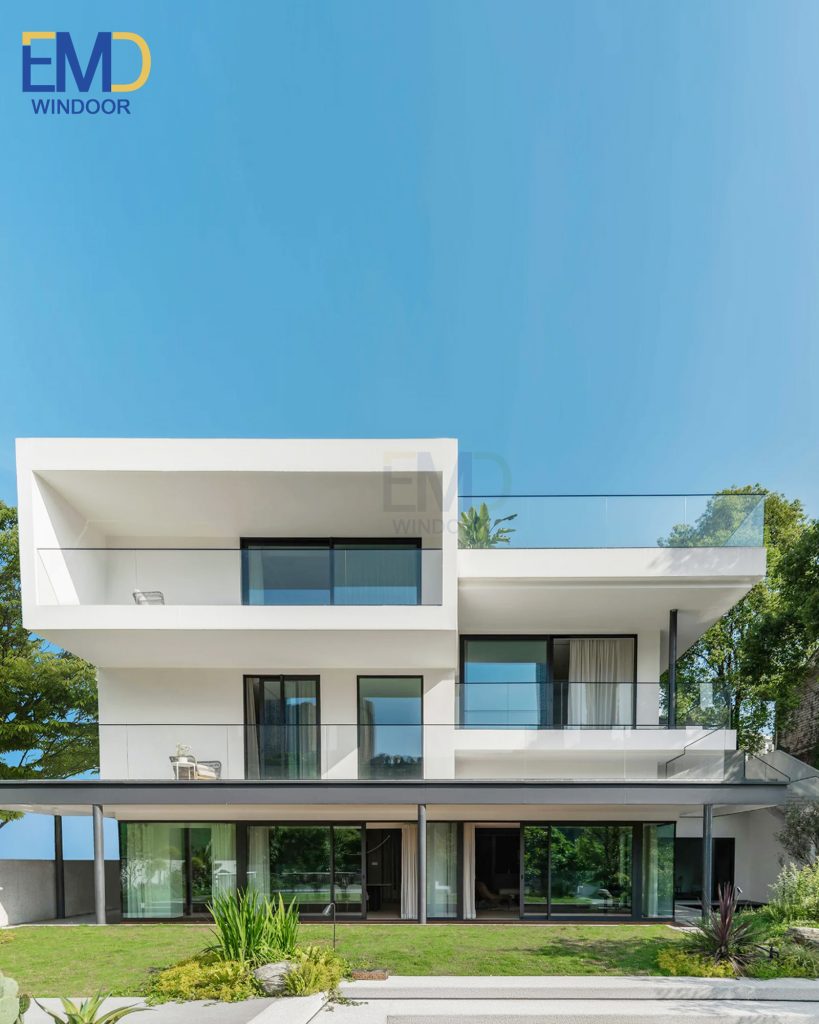
As someone who has experienced living in the Philippines, I’ve noticed that finding high-quality windows and doors can be a challenge. Many homes, even high-end apartments, suffer from poor insulation, noise issues, and sub-par construction. If you’re like me and value a quiet, comfortable, and energy-efficient home, it’s worth taking the time to understand these issues and choose the right products. Let’s dive into the common problems and practical solutions.
Common Issues with Windows in the Philippines
Here are the main pain points homeowners face when it comes to windows in the Philippines. I’ll also share my perspective on why these problems persist.
| Issue | Details | My Perspective |
|---|---|---|
| Poor Sound Insulation | Most windows use single-pane glass or plastic, which barely blocks noise. Loud street traffic, karaoke, and roosters are constant disturbances. | It’s frustrating that even high-rent condos fail to deliver proper noise insulation. I believe developers prioritize cost over comfort. |
| Lack of Thermal Efficiency | Windows lack proper insulation, causing cool air to escape and hot air to enter. This leads to higher electricity bills during the hot months. | I’ve seen how this issue adds to the cost of living. Proper insulation feels like a must, especially with rising energy prices. |
| Low-Quality Materials | Many windows are made of cheap materials like plastic or low-grade aluminum, and double-glazed options are rarely available in the market. | Developers often use bare-minimum materials to save costs, but the trade-off is a less comfortable and durable home. |
| Poor Installation | Gaps between the window frame and walls allow noise and air to pass through, reducing the windows’ overall effectiveness. | This is a major pet peeve of mine. Even the best windows won’t work if the installation is sloppy. |
| Cultural and Market Factors | Noise insulation and energy efficiency are not top priorities for many homeowners or developers. Windows are often seen as functional rather than performance-based. | I think this mindset needs to change. Windows should be seen as an investment in comfort and energy savings, not just a way to let in light or air. |
| Price vs. Performance | Even expensive homes often have poor-quality windows, making homeowners feel like they’re not getting their money’s worth. | I’ve personally felt this disappointment. Paying premium prices should guarantee premium quality, but that’s rarely the case here. |
Recommended Window Types
If you’re planning to upgrade your windows or install new ones, here are my top recommendations. These options address many of the issues above and are well-suited to the Philippine climate and urban environment.
| Window Type | Features | Best For | Personal Tips |
|---|---|---|---|
| Sliding Windows | Slide horizontally, saving space and offering easy operation. | Small spaces or modern homes. | Opt for double-glazed versions to improve noise and thermal insulation. |
| Casement Windows | Open outward like a door, providing excellent ventilation and an unobstructed view. | Bedrooms and living rooms. | Ensure they have compression seals to block noise and air leaks. |
| Awning Windows | Hinged at the top and open outward, offering ventilation even during rain. | Kitchens and bathrooms. | Look for rubber-sealed aluminum frames to ensure durability and weather resistance. |
| Double-Hung Windows | Feature two sashes that slide vertically, allowing both top and bottom sections to open. | Homes needing flexible ventilation. | Choose models with proper weatherstripping for better noise and thermal performance. |
| Tilt and Turn Windows | Can tilt inward for ventilation or fully open for cleaning. | High-end homes or areas requiring versatile functionality. | These are premium options but worth the investment for noise and energy efficiency. |
Why I Recommend Importing from China
After exploring local options, I realized that the market in the Philippines has limited choices for high-performance windows. If you’re struggling to find what you need, importing from China can be a game-changer. Here’s why:
- Wide Range of Options: Chinese manufacturers offer a variety of windows, including double-glazed and noise-insulated designs.
- Competitive Pricing: The cost is often more affordable compared to local options, even after factoring in shipping.
- Customizable Products: You can order windows tailored to your specific needs, such as unique dimensions or finishes.
- Reliable Quality: Many Chinese suppliers produce internationally certified products, ensuring durability and performance.
Final Thoughts
The issues with windows in the Philippines are frustrating, but they’re not insurmountable. By choosing the right window types—such as double-glazed sliding or tilt-and-turn models—and ensuring proper installation, you can significantly improve your home’s comfort and energy efficiency. If local options don’t meet your expectations, importing from China is a practical and cost-effective alternative.
Investing in high-quality windows isn’t just about aesthetics; it’s about creating a space where you can truly relax, free from noise and heat. Trust me, the difference it makes is worth every peso.


